The Complete Preconception Routine: How to Prepare Your Body for a Healthy Pregnancy Naturally


Preparing for pregnancy doesn’t start when you see a positive test. It begins months earlier, during the preconception phase.
Why Preconception Health Matters (3–6 Months Before Trying)
Preparing for pregnancy doesn’t start when you see a positive test. It begins months earlier, during the preconception phase. This critical window—typically three to six months before trying to conceive—lays the foundation for fertility, egg quality, hormonal balance, and ultimately, a healthy pregnancy.
Your body needs time to build nutrient reserves, regulate hormones, and support optimal reproductive function. Egg development, in particular, is a gradual process. Each egg takes about 90 days to mature, meaning the choices you make today directly impact the quality of the eggs released months from now.
Focusing on preconception health can:
Improve egg quality and ovulation
Balance hormones naturally
Reduce the risk of nutrient deficiencies
Support a healthy uterine environment
Increase chances of conception
Unfortunately, many women overlook this phase and focus only on pregnancy itself. But if you want to optimize your fertility and give your future baby the best start, preconception care is essential.
This guide outlines a complete, step-by-step preconception routine to help you prepare your body for pregnancy naturally.
Step 1: Optimize Egg Quality
Egg quality is one of the most important factors in fertility, yet it is often misunderstood. Unlike egg quantity, which declines with age, egg quality refers to how healthy and viable each egg is for fertilization and embryo development. High-quality eggs are more likely to be fertilized successfully and develop into healthy embryos. Poor egg quality, on the other hand, can lead to difficulties conceiving or early pregnancy loss.
One of the biggest factors affecting egg quality is oxidative stress. This occurs when there is an imbalance between free radicals and antioxidants in the body, leading to cellular damage. Eggs are particularly sensitive to this type of stress. Another critical factor is mitochondrial function. Mitochondria are the energy-producing structures inside your cells, and they play a key role in egg maturation and division. Strong mitochondrial health supports better egg viability and reproductive outcomes.
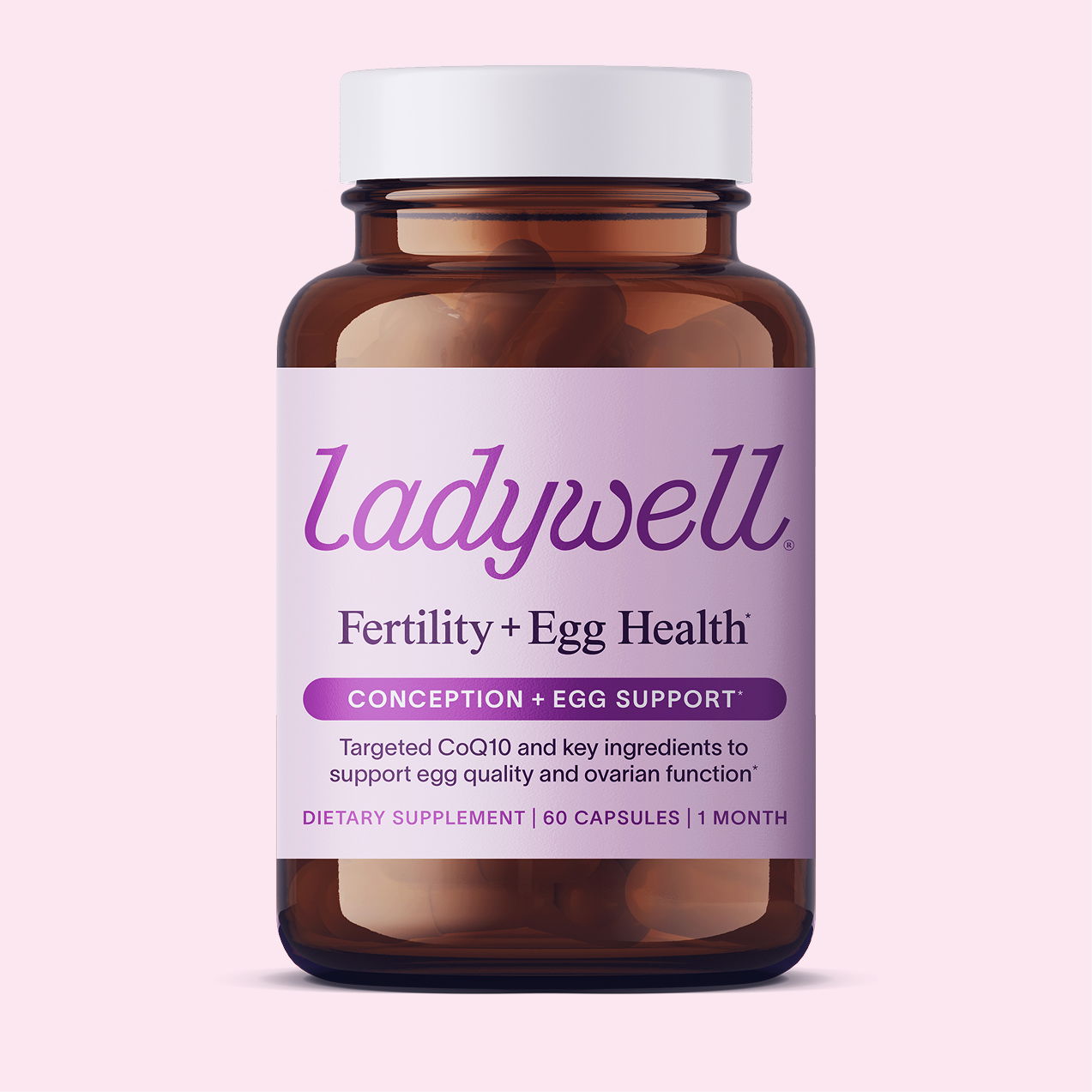
To improve egg quality naturally, it’s important to focus on targeted nutritional support. This is where a specialized fertility supplement can be beneficial. A formula designed to support egg health typically includes antioxidants, vitamins, and compounds that enhance mitochondrial energy production.
Incorporating a fertility-focused supplement into your routine can help:
Reduce oxidative stress
Support cellular energy production
Enhance egg maturation
Promote overall reproductive health
Consistency is key. Because egg development takes around three months, daily supplementation during this period can significantly influence outcomes.
Step 2: Build Nutrient Reserves with a Prenatal Multivitamin
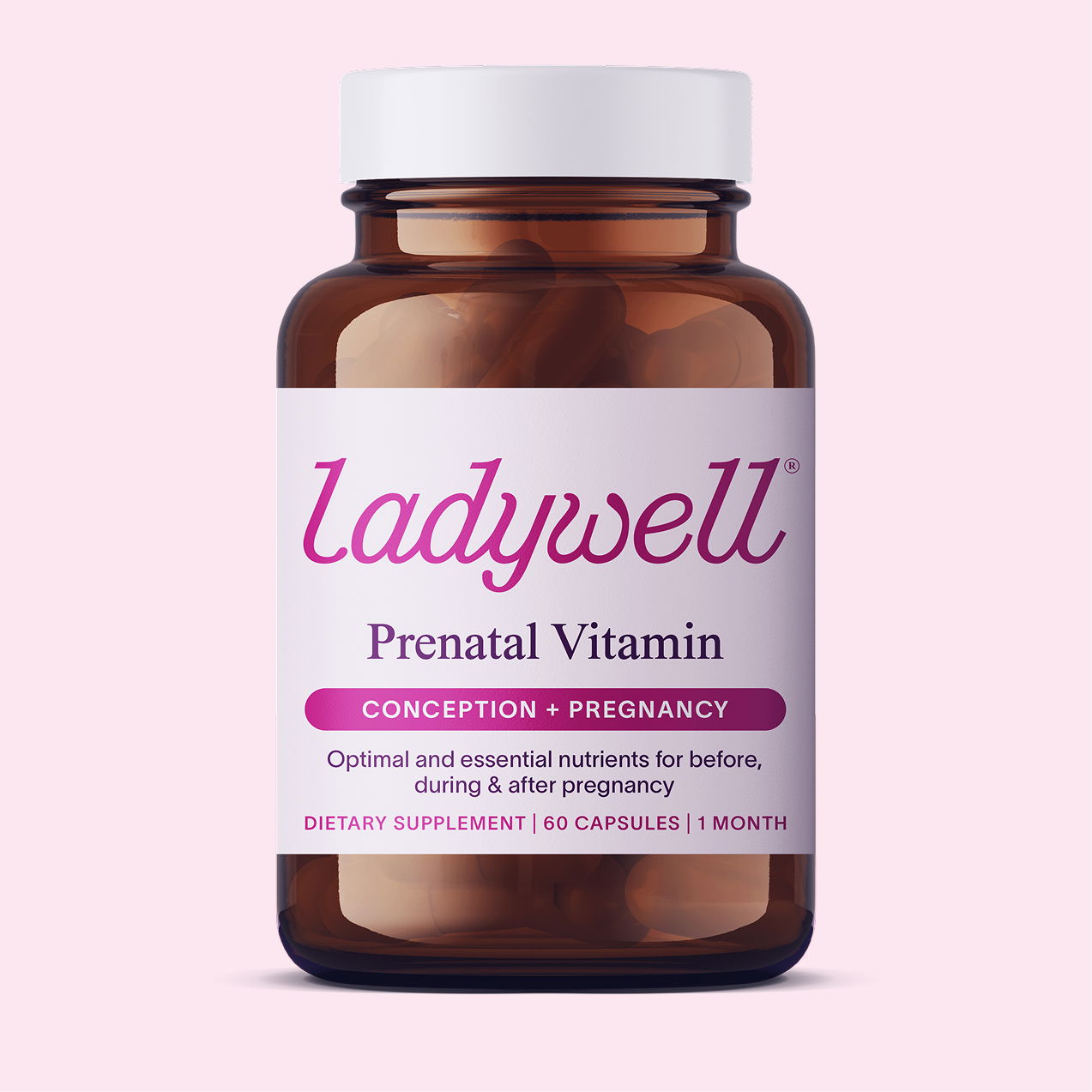
Even before conception, your body needs a strong nutritional foundation. Many women enter pregnancy with nutrient deficiencies, which can affect both fertility and fetal development. A high-quality prenatal multivitamin is one of the most important components of any preconception checklist. It ensures your body has the essential vitamins and minerals required to support conception and early pregnancy.
Key nutrients to look for include folate, iron, DHA, iodine, and vitamin D. Folate plays a crucial role in DNA synthesis and helps prevent neural tube defects in early pregnancy. It is one of the most well-researched and essential nutrients for women trying to conceive.
Iron supports oxygen transport in the blood and helps prevent anemia, which can affect energy levels and reproductive health. DHA, an omega-3 fatty acid, is important for brain and eye development in the fetus and may also support egg quality and hormone balance.
Iodine is essential for thyroid function, which regulates metabolism and plays a key role in fertility. Vitamin D supports immune function and hormonal balance, and low levels have been linked to fertility challenges.
Taking a prenatal multivitamin before pregnancy helps:
Build nutrient stores for early fetal development
Support hormonal balance
Reduce the risk of deficiencies
Prepare the body for the demands of pregnancy
Starting a prenatal supplement at least three months before trying to conceive ensures your body is well-nourished and ready to support a healthy pregnancy from the very beginning.
Step 3: Reduce Stress and Improve Sleep
Stress is one of the most overlooked factors in fertility. Chronic stress can disrupt hormonal balance, interfere with ovulation, and negatively impact reproductive health. When your body is under stress, it produces higher levels of cortisol. Elevated cortisol can suppress reproductive hormones, making it more difficult to conceive.
Sleep is equally important. Poor sleep quality affects hormone regulation, including those involved in the menstrual cycle and ovulation. It also contributes to increased stress levels, creating a cycle that can be difficult to break. Supporting your nervous system is a key part of any preconception routine. One effective way to do this is through magnesium.
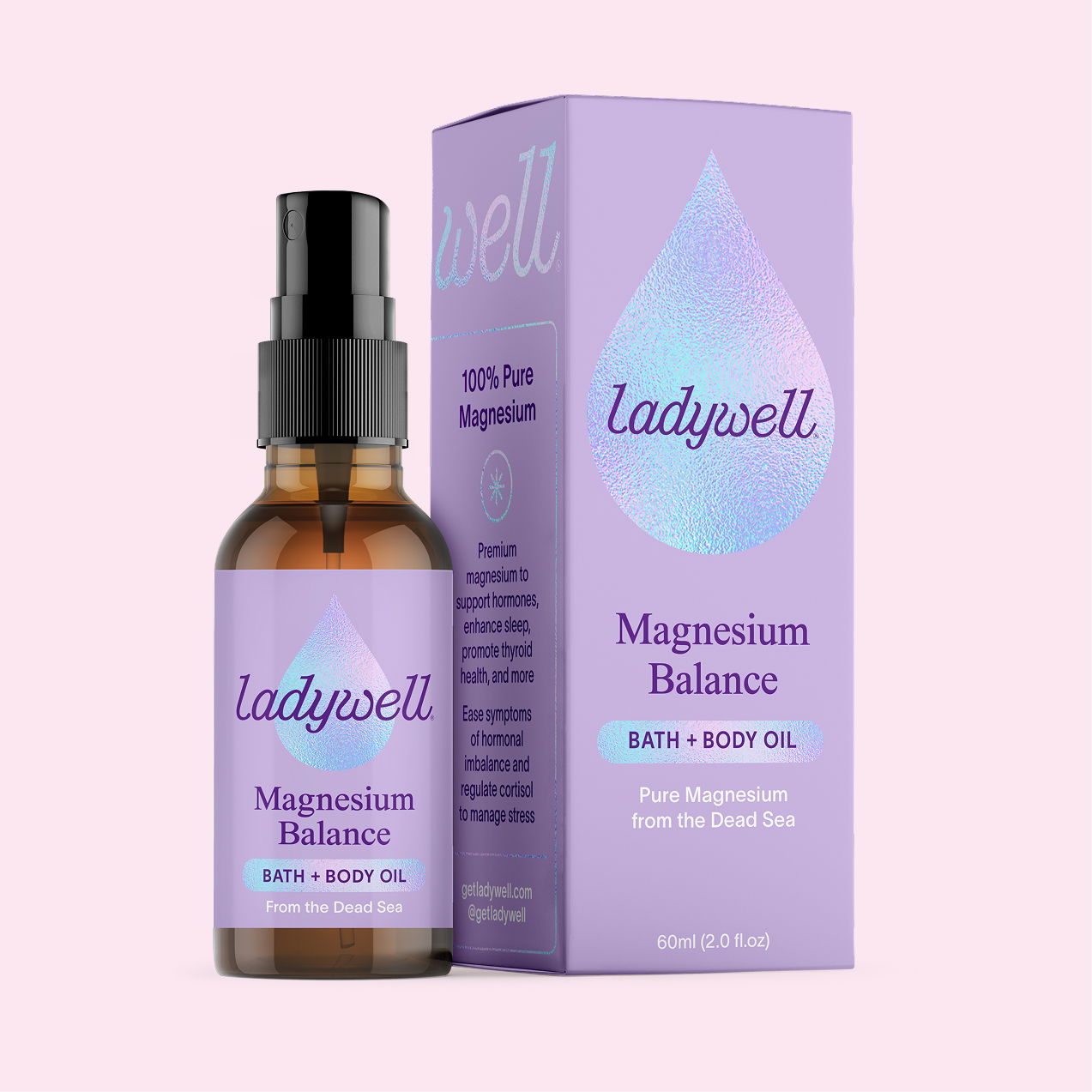
Magnesium is a vital mineral involved in hundreds of biochemical processes in the body. It helps regulate the nervous system, promote relaxation, and improve sleep quality. A topical magnesium oil spray is a convenient and effective way to increase magnesium levels. Applied directly to the skin, it is absorbed quickly and can help relax muscles, calm the mind, and support restful sleep.
Incorporating magnesium into your routine can help:
Reduce stress and anxiety
Improve sleep quality
Support hormonal balance
Promote overall relaxation
Using a magnesium spray in the evening as part of a wind-down routine can signal to your body that it’s time to rest, making it easier to fall asleep and stay asleep.
Step 4: Support Your Body with Healthy Lifestyle Habits
While supplements play an important role, lifestyle habits are the foundation of preconception health. Small, consistent changes can have a significant impact on fertility and overall well-being. Nutrition is one of the most important factors. A balanced diet rich in whole foods provides the nutrients your body needs to function optimally. Focus on incorporating fruits, vegetables, lean proteins, healthy fats, and whole grains into your meals.
Antioxidant-rich foods such as berries, leafy greens, and nuts can help reduce oxidative stress and support egg quality. Healthy fats, including those from avocados, olive oil, and fatty fish, support hormone production and balance. Hydration is also essential. Drinking enough water supports circulation, nutrient transport, and overall cellular function.
Exercise plays a key role in maintaining a healthy weight and supporting hormonal balance. Moderate, consistent movement such as walking, yoga, or strength training can improve circulation and reduce stress. However, excessive exercise can have the opposite effect and disrupt ovulation, so it’s important to find a balanced approach.
Sleep should be a priority. Aim for seven to nine hours of quality sleep each night. Establishing a consistent bedtime routine can help regulate your body’s internal clock and improve sleep quality. Reducing exposure to toxins is another important step. Environmental toxins found in certain plastics, personal care products, and household cleaners can disrupt hormones and affect fertility. Choosing cleaner, non-toxic alternatives can support reproductive health.
Managing stress through mindfulness practices such as meditation, deep breathing, or journaling can further enhance your preconception routine.
Your Complete Preconception Routine
Creating a simple, consistent daily routine can make it easier to stay on track and support your fertility goals.
Morning:
Take your prenatal multivitamin with breakfast to support nutrient intake and hormonal balance
Eat a nutrient-dense meal with protein, healthy fats, and complex carbohydrates
Stay hydrated and start your day with intention
Midday:
Take your fertility supplement to support egg quality and cellular energy
Incorporate light movement such as a walk or stretching
Focus on balanced meals and hydration
Evening:
Apply magnesium oil spray to promote relaxation and support sleep
Eat a nourishing dinner with whole foods
Limit screen time and create a calming bedtime routine
Weekly Habits:
Plan meals to ensure balanced nutrition
Engage in regular exercise without overexertion
Practice stress management techniques
Track your cycle to better understand your body
Consistency is more important than perfection. Small daily actions add up over time and can have a meaningful impact on your fertility and overall health.
Final Thoughts
Preparing your body for pregnancy is one of the most powerful steps you can take on your fertility journey. By focusing on preconception health, you create a strong foundation for conception, pregnancy, and beyond. A complete preconception routine includes optimizing egg quality, building nutrient reserves, managing stress, and supporting your body with healthy lifestyle habits.
By combining targeted supplementation with intentional daily practices, you can improve your chances of conceiving naturally and support a healthy pregnancy. If you’re wondering how to prepare your body for pregnancy, start with these foundational steps and give your body the time and support it needs to thrive.