Why Your Gut Influences Energy, Mood, and Daily Life?


Your gut works far beyond digestion. Every meal, snack, and sip interacts with trillions of microbes living in your digestive system.
Your gut works far beyond digestion. Every meal, snack, and sip interacts with trillions of microbes living in your digestive system. These organisms form your microbiome, a complex ecosystem that influences energy levels, mood stability, immune strength, and mental clarity. When this ecosystem stays balanced, your body processes nutrients efficiently and your mind feels steady. When imbalance develops, daily routines may feel harder than usual.
Fatigue after meals, persistent bloating, irritability, and inconsistent digestion often connect to changes in gut bacteria. The gut also communicates directly with the brain through a biological pathway often called the gut-brain axis. Signals from the digestive tract can influence stress responses, sleep quality, and emotional balance.
You may focus on sleep routines, exercise habits, or productivity strategies when energy dips. Yet gut health often sits quietly behind many of those experiences. Supporting your microbiome with nourishing foods, healthy lifestyle patterns, and targeted supplements can shift how your body feels throughout the day.
One option gaining attention comes from Seed, a science-focused microbiome company known for carefully formulated probiotic products designed to support digestive balance and overall well-being.
Your Gut Contains an Entire Microbial Ecosystem
Inside your digestive tract lives a massive community of microorganisms. Bacteria, fungi, and other microbes interact with the food you eat and the nutrients your body absorbs. These organisms help break down fiber, produce vitamins, and protect the intestinal barrier.
A balanced microbiome supports several biological functions:
- digestion efficiency
- nutrient absorption
- immune system regulation
- hormone balance
- inflammation control
When this ecosystem stays diverse and stable, your body processes nutrients smoothly. Energy tends to remain steady throughout the day. When microbial balance shifts, digestion can slow down, inflammation may increase, and uncomfortable symptoms may appear.
Modern lifestyles influence the microbiome heavily. Processed foods, stress, antibiotics, irregular sleep, and environmental exposure can alter bacterial diversity. Your digestive system reacts quickly to those changes.
That reaction often appears through daily symptoms such as bloating, irregular bowel movements, low mood, or sudden fatigue.
Understanding this connection helps explain why gut health affects far more than digestion.
The Gut–Brain Connection and Your Mood
Your digestive system communicates with your brain constantly. Nerve signals, immune messengers, and hormones travel between the gut and the central nervous system. This communication network influences how you feel physically and emotionally.
A large percentage of serotonin, a neurotransmitter linked to mood regulation, originates in the gut. Microbial balance plays a role in how these chemicals are produced and processed. When beneficial bacteria remain active, signals between the gut and brain tend to remain stable.
When imbalance occurs, mood fluctuations can follow.
You may notice changes such as:
- irritability without clear reason
- difficulty concentrating
- fatigue despite adequate sleep
- sudden drops in motivation
- digestive discomfort during stressful periods
Your brain and digestive tract react to each other continuously. Stress can disrupt gut bacteria, while gut imbalance can increase stress sensitivity.
This cycle explains why improving digestive health often supports emotional stability and mental clarity.
Everyday Signs Your Gut Needs Attention
Your body usually sends subtle signals when the microbiome requires support. Some signals appear immediately after meals, while others show up during daily routines.
Common indicators include:
Persistent bloating
Gas and abdominal pressure after eating may suggest microbial imbalance or poor fiber digestion.
Irregular digestion
Constipation or inconsistent bowel movements can indicate changes in gut bacteria.
Frequent fatigue
Poor microbial balance can influence nutrient absorption, affecting daily energy.
Skin irritation
The gut-skin connection links digestive health with inflammation affecting the skin.
Mood changes
An imbalanced microbiome can influence neurotransmitter production and stress response.
These signals do not always indicate illness. Often they simply show that your digestive system needs better support through diet, lifestyle adjustments, and microbiome-focused supplementation.
Habits That Strengthen Your Gut Health
Supporting the microbiome involves consistent daily habits rather than quick fixes. Small changes can gradually improve microbial diversity.
Eat Fiber-Rich Foods
Vegetables, legumes, fruits, and whole grains provide fibers that beneficial bacteria use as fuel. These fibers act as natural prebiotics, helping microbial populations grow.
Prioritize Fermented Foods
Yogurt, kefir, kimchi, and fermented vegetables introduce helpful bacteria into your digestive system.
Maintain Consistent Sleep
Sleep cycles influence hormone balance and digestive rhythm. Irregular sleep can disturb gut bacteria and digestion.
Reduce Excess Processed Foods
Highly processed foods often lack the fiber and nutrients your microbiome needs to thrive.
Manage Stress
Breathing exercises, physical activity, and mindful routines can help reduce stress signals that influence gut function.
Lifestyle habits build the foundation for digestive balance. Yet some individuals look for additional support through carefully designed probiotic supplements.
A Science-Driven Synbiotic Approach
Probiotic supplements vary widely in formulation quality and strain diversity. Some provide only a few bacterial strains, while others combine probiotics with prebiotics for stronger microbial support.
A synbiotic supplement combines both elements: beneficial bacteria and the nutrients those bacteria need to survive.
One example comes from Seed, a microbiome science company focused on clinically studied bacterial strains and targeted delivery technology.
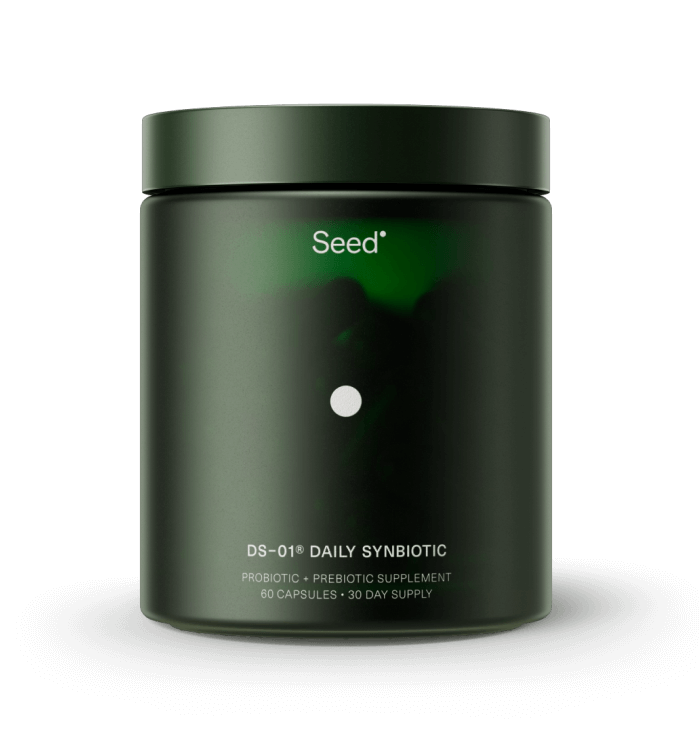
Their flagship product, DS-01® Daily Synbiotic, offers a broad-spectrum formulation designed to support digestive health and whole-body balance.
The supplement contains 24 clinically studied probiotic strains delivering 53.6 billion active fluorescent units in each serving. These strains support several biological functions, including digestive regularity, immune responses within the gut, and healthy intestinal barrier function.
Unlike many traditional probiotics, the formula combines probiotics with a polyphenol-based prebiotic derived from Indian pomegranate, which nourishes beneficial bacteria while remaining gentle for sensitive digestive systems.
The capsule design also differs from standard supplements. DS-01® uses a dual capsule-in-capsule delivery system known as ViaCap® technology. The outer capsule releases the prebiotic in the upper digestive tract, while the inner capsule protects live bacteria as they pass through stomach acid and delivers them to the colon.
This targeted delivery helps preserve bacterial viability and supports a diverse microbial environment throughout the digestive system.
Additional product characteristics include:
- vegan formulation
- shelf-stable capsules without refrigeration
- low-FODMAP compatible prebiotic
- third-party testing for purity and contaminants
- strains selected for gut, skin, and cardiovascular support
Research on synbiotic supplementation suggests improvements in digestive comfort, stool regularity, and reduced bloating when the microbiome receives consistent support.
When combined with balanced nutrition and healthy routines, a scientifically formulated synbiotic can become part of a daily strategy for maintaining gut stability.
Gut Health Shapes How Your Day Feels
The state of your microbiome quietly influences everyday experiences. Energy levels during morning routines, focus during work hours, and comfort after meals all connect to digestive balance.
A healthy gut often brings noticeable improvements:
- steadier energy across the day
- reduced digestive discomfort
- improved nutrient absorption
- clearer mental focus
- better stress resilience
These shifts may appear gradually. Microbial ecosystems evolve over time as bacteria populations stabilize and digestive processes improve.
Consistency matters more than speed. Supporting gut health through nutrition, lifestyle habits, and targeted supplementation can help your body maintain long-term balance.
Final Thoughts on Supporting Your Gut
Your gut functions as one of the most influential systems in your body. Its microbial community interacts with digestion, immune defense, mental clarity, and emotional stability. When this ecosystem stays balanced, daily life often feels smoother.
You may notice fewer digestive interruptions, steadier moods, and improved energy when your microbiome receives proper care. Nutrition remains the strongest foundation for maintaining that balance. Fiber-rich foods, fermented ingredients, adequate sleep, and stress management create an environment where beneficial bacteria thrive.
Some individuals choose to reinforce these habits with synbiotic supplementation. Products designed with clinically studied strains and targeted delivery systems can complement lifestyle practices and help maintain microbial diversity.
Options such as the DS-01® Daily Synbiotic developed by Seed illustrate how modern microbiome science aims to support digestive health through carefully selected bacterial strains and prebiotic nourishment.
Your gut influences far more than digestion. Supporting it consistently can help your body and mind function with greater stability every day.
How gut health affects mood, digestion, and energy. Learn how Seed Daily Synbiotic supports a balanced microbiome.